11am last Thursday, I was in my room doing nothing in my usual home wear: half naked, boxers only, when someone knocked my door. Of course, I immediately opened the door without thinking who might be on the other side. Two French students were standing there and left a "huh?!" come out when they saw me:
- Some reporters from Dalian news are preparing an article about our life in Dalian, would you mind being interviewed? They are waiting outside.
- That means I need to put a shirt on, do my bed and tidy up my stuff right?
This maybe the third time we, French students, have to deal with Chinese newspaper. They like us being around, I guess. The two women started to ask questions about my life here, what I like most, what are the unforgettable I've experienced around, what are the significant differences with European lifestyle and so on. I would have liked to take the interview all the way in Chinese but it is so hard to think and talk at the same time. On top of it, while you try to express yourself in front of a Chinese person, you are so slow that you keep thinking you are wasting his precious time, even though they are way too patient. Thus, you cannot focus; you mess words up, and switch back to English. Fortunately, that day, Yu Heng, our so loved French/Chinese student, was here to help me out.
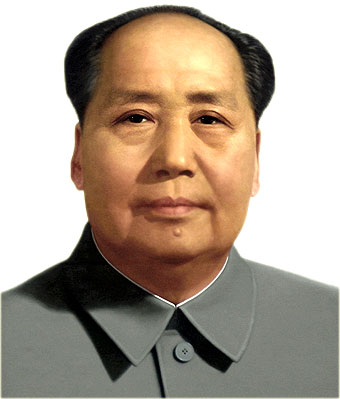
It is quite difficult to have an interview like that, many things you better not say, not because Mao is a devil and it is dangerous, but just because if it is too “not normal”, they simply won’t publish it. I feel like you have to provide the media some regular information. However, it is frustrating to feel that you are giving them the answers they are waiting for. Thus, you work it around in order to balance the “my thought/their thought” equation.
The interview was interrupted several times by the F-16 taking off nearby our campus, at the airport. Even better, as some guys have been trying, since few months, to take down one of the mountains around our school, we experienced the charm of a huge explosion followed by a homemade earthquake. Houston, we are still alive. DLILI, what a fantastic place.
The article was published in today’s newspaper. And I had a kind of proof about the “give me what I want” rule. The reporter wanted to take some pictures of me faking some regular activities. Thus, I sat at my desk and faked I was writing a letter, she kept saying “Smile” as I was almost tearing my lips to give her satisfaction (Alright this sentence fragment sounds way too sexual, take a look to the Google search results, ahaha). I finally told her I stopped being a clown and she would get no monkey smile: picture not published :) . See the students on the picture below? There are so good fakers of “we are studying hard, altogether”. This is the most amusing game in China I guess: open the newspaper, observe the pictures and guess: what are they faking?
- Some reporters from Dalian news are preparing an article about our life in Dalian, would you mind being interviewed? They are waiting outside.
- That means I need to put a shirt on, do my bed and tidy up my stuff right?
This maybe the third time we, French students, have to deal with Chinese newspaper. They like us being around, I guess. The two women started to ask questions about my life here, what I like most, what are the unforgettable I've experienced around, what are the significant differences with European lifestyle and so on. I would have liked to take the interview all the way in Chinese but it is so hard to think and talk at the same time. On top of it, while you try to express yourself in front of a Chinese person, you are so slow that you keep thinking you are wasting his precious time, even though they are way too patient. Thus, you cannot focus; you mess words up, and switch back to English. Fortunately, that day, Yu Heng, our so loved French/Chinese student, was here to help me out.
It is quite difficult to have an interview like that, many things you better not say, not because Mao is a devil and it is dangerous, but just because if it is too “not normal”, they simply won’t publish it. I feel like you have to provide the media some regular information. However, it is frustrating to feel that you are giving them the answers they are waiting for. Thus, you work it around in order to balance the “my thought/their thought” equation.
The interview was interrupted several times by the F-16 taking off nearby our campus, at the airport. Even better, as some guys have been trying, since few months, to take down one of the mountains around our school, we experienced the charm of a huge explosion followed by a homemade earthquake. Houston, we are still alive. DLILI, what a fantastic place.
The article was published in today’s newspaper. And I had a kind of proof about the “give me what I want” rule. The reporter wanted to take some pictures of me faking some regular activities. Thus, I sat at my desk and faked I was writing a letter, she kept saying “Smile” as I was almost tearing my lips to give her satisfaction (Alright this sentence fragment sounds way too sexual, take a look to the Google search results, ahaha). I finally told her I stopped being a clown and she would get no monkey smile: picture not published :) . See the students on the picture below? There are so good fakers of “we are studying hard, altogether”. This is the most amusing game in China I guess: open the newspaper, observe the pictures and guess: what are they faking?

Listening to: David Guetta - Fuck me I'm Famous